Dental Implants: Timeline, Cost Drivers and Honest Trade-offs
A dental implant is not a tooth you buy off a shelf. It is three separate components fitted across months of healing, and almost every confusing quote, every delay and every honest warning about who is not a candidate comes back to that structure.
 Written by Nina Reyes, RDH, BSc
  Clinically reviewed by Dr. Marcus Hale, DDS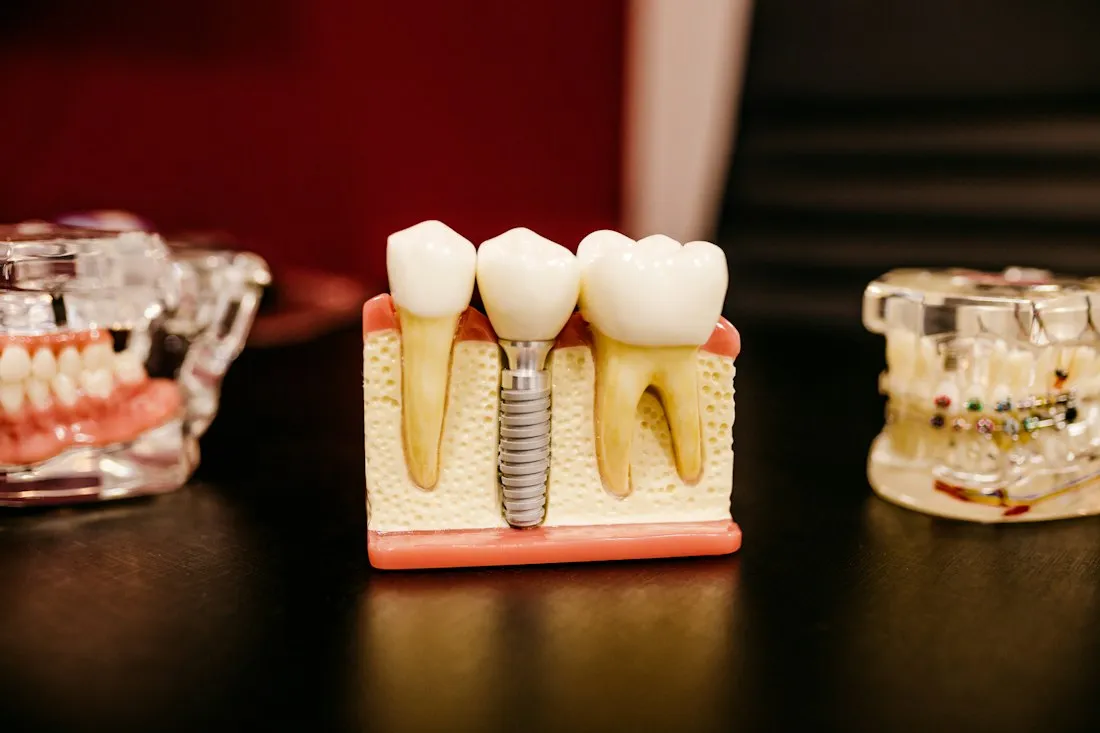
Key points
- Most cases run four to nine months from placement to final crown.
- Bone volume, not age, is the main factor in whether you are a candidate.
- Implants do not decay, but they absolutely can be lost to gum infection.
- A three-unit bridge is often faster and cheaper - and sometimes the better answer.
What an implant actually is: fixture, abutment, crown
Three manufactured parts do the job of one tooth, and they arrive at different times. The fixture is the screw, usually commercially pure titanium or a titanium alloy, placed into the jawbone where the root used to be. The abutment is the connector that screws into the fixture and passes up through the gum. The crown is the visible tooth, milled or pressed in a laboratory from a scan taken once the gum has settled into its final shape.
That separation is not a sales tactic. It is a consequence of biology: bone needs months of undisturbed contact to bond to the fixture, so the parts that carry chewing load have to come later. It is also why quotes are so hard to compare. A headline price advertised as an implant frequently covers the fixture alone, with the abutment and crown itemised further down the page or on a second sheet.
The first question to ask any quote
Ask whether the figure includes all three components plus the planning scan, the surgical appointment, any temporary tooth and the review visits. Two practices can quote numbers a thousand apart and be offering identical treatment, or identical numbers for very different scopes.
The timeline, stage by stage
A straightforward single implant in healthy bone typically runs four to nine months from placement to final crown. Add grafting or a sinus lift and twelve to eighteen months is realistic. Nothing about this is fast, and a clinic promising otherwise is usually describing a temporary tooth rather than a finished one.
1. Assessment and the CBCT scan
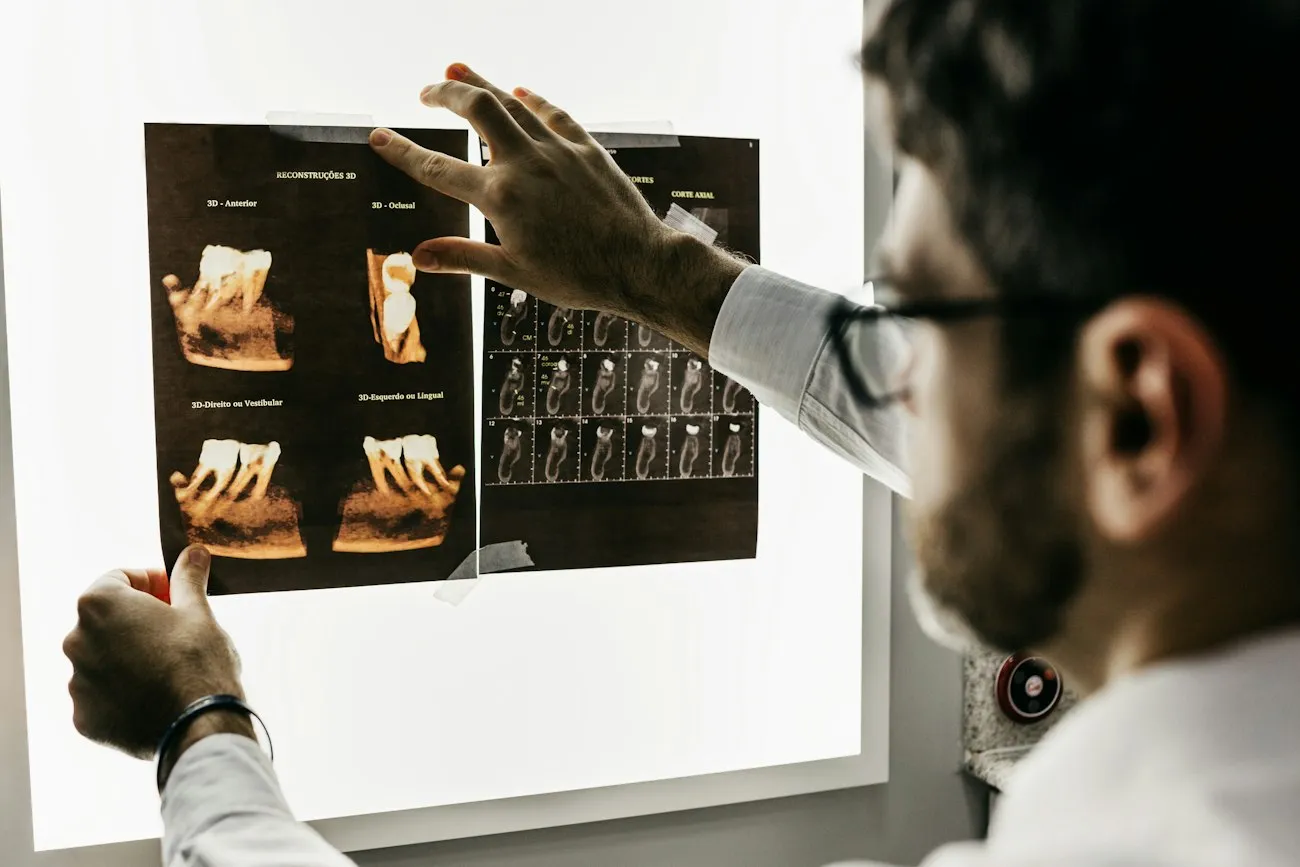
Planning starts with a cone beam CT scan, which produces a three-dimensional image of the jaw. It measures the height and width of available bone, maps the position of the inferior alveolar nerve in the lower jaw and the floor of the sinus in the upper, and settles whether a graft is needed. Placing an implant from two-dimensional images alone is guesswork in anything but the most generous anatomy.
2. Extraction, healing and grafting
If the tooth is still present it may be removed and the socket grafted at the same visit to stop the ridge collapsing inward, then left three to four months. Larger bone defects need a separate augmentation and four to nine months of healing before a fixture can go in. A sinus lift, used when too little bone sits under the sinus in the upper back jaw, adds a similar wait.
3. Placement day
The surgery itself is usually sixty to ninety minutes under local anaesthetic. Most people are surprised by how ordinary it feels, and by how closely the recovery resembles a straightforward extraction: two to four days of swelling and soreness, then a steady fade.
4. Osseointegration, the long quiet part
For three to six months the fixture does nothing visible while bone grows into direct contact with its surface. The lower jaw, being denser, tends to be quicker than the upper. This stage cannot be hurried, and it is where a missed instruction, a smoking habit or an overloaded temporary does its damage.
5. Healing abutment and the final restoration
A healing abutment is fitted to shape the gum cuff for two to four weeks. A scan or impression then goes to the laboratory, which takes a further two to three weeks to build the crown. Fitting appointments check the bite carefully, because an implant has no periodontal ligament, and therefore no cushioning and no early-warning ache when contact is too heavy.
What "same-day teeth" actually means
Immediate loading is real, but the tooth you leave with on the day is a provisional, deliberately kept out of heavy contact. It exists so that you are not walking around with a gap, not because the bone has finished healing. The permanent restoration still waits for osseointegration, and immediate protocols require good primary stability, which is a judgement made in the moment rather than a promise made in the consultation.
The month that decides whether an implant lasts is not the month it is placed. It is every month afterwards, spent keeping the gum around it clean.
What actually drives the price
Implant pricing looks arbitrary until you see it as a stack of separately costed items. Working out which ones apply to you explains most of the spread between quotes, and makes it obvious which cheaper options are cheaper because something has been left out.
- Bone work. Grafting and sinus lifts add material cost, surgical time and months of healing. This is the single largest swing factor.
- How many teeth. Cost per tooth falls steeply with numbers. A full arch supported on four to six fixtures replaces ten or more teeth without needing ten fixtures.
- Components and laboratory work. A custom-milled abutment and a layered ceramic crown cost more than stock parts and a monolithic zirconia crown, and look better at the front of the mouth where it matters.
- Planning technology. A guided surgical stent made from the CBCT scan adds cost, and adds accuracy.
- Who places it, and where. Specialist fees and big-city overheads are real. So is the difference between a clinic that includes years of review appointments and one that bills each of them.
Who implants suit, and who should wait
Candidacy is about bone and biology rather than age. A healthy eighty-year-old is often a better candidate than a thirty-year-old with untreated gum disease. The underlying bone biology, and how systemic conditions interfere with it, is summarised well by the National Institute of Dental and Craniofacial Research.
The factors that genuinely change the answer
- Bone volume and quality. Too little height or width means grafting first, or a different plan entirely.
- Active periodontitis. The bacteria that destroy bone around teeth colonise implants happily. Gum disease is stabilised before any fixture goes in, and our guide to gum disease covers what that treatment involves.
- Poorly controlled diabetes. Impaired healing raises early failure risk. Well-controlled diabetes is generally not a barrier.
- Smoking. Consistently associated with higher failure and peri-implantitis rates, which is why cessation around the surgical period is asked for so often.
- Bruxism. Heavy grinding overloads a fixture that cannot feel the force. It rarely rules treatment out, but it usually means a night guard.
- Antiresorptive medication and past radiotherapy. Both need specialist input before surgery is considered.
- Skeletal growth. An implant does not move as a jaw grows, so placement waits until growth is complete, which happens later in men than in women.
Peri-implantitis and the upkeep nobody quotes for
An implant cannot decay, which is the most oversold fact in restorative dentistry. It can still be lost. Inflammation of the gum around a fixture, peri-implant mucositis, is reversible. Left alone it can progress to peri-implantitis, in which the supporting bone is destroyed, and that is not reversible.
Reported prevalence varies widely between studies, partly because researchers have used different thresholds for what counts as bone loss. The honest summary, consistent with the patient guidance published by the American Dental Association, is that it affects a meaningful minority of implant patients, that smoking and a history of periodontitis are the strongest predictors, and that treatment is harder than for a natural tooth: a threaded titanium surface is difficult to decontaminate, and there is no periodontal ligament to help the tissue recover.
Practically, that means interdental brushes sized to the space, cleaning where the crown meets the gum, and hygiene reviews every three to six months rather than annually. Technique matters more than products here, which is why the daily oral care routine is worth reading before the surgery rather than after it.
What the success rates actually measure
The figures quoted in marketing are almost always survival rates: the fixture is still in the mouth at the follow-up point. Survival above ninety per cent at ten years is well supported across long-term studies. Success is a stricter measure that also requires bone levels to be stable, tissues to be healthy and the restoration to be intact, and it always comes out lower.
Two caveats are worth keeping in mind. Study populations are frequently healthier than the average patient, often non-smokers with good bone, which flatters the numbers. And the fixture outlasting the crown is normal rather than exceptional: chipped ceramic, worn contact points and loosened screws are maintenance events rather than failures, but they are events you pay for.
Implant, bridge or partial denture?
An implant is often the best answer and is not always the right one. A conventional bridge is faster and usually cheaper, at the cost of permanently preparing the two neighbouring teeth. A removable partial denture is cheapest by a wide margin and the least comfortable. The ranges below are broad private-fee bands for a single missing tooth and vary heavily by country and city.
| Factor | Single implant | Three-unit fixed bridge | Removable partial denture |
|---|---|---|---|
| Typical cost band | Highest; roughly 3,000 to 6,000 per tooth | Middle; roughly 2,500 to 5,000 for three units | Lowest; roughly 700 to 2,500 |
| Time to finished result | 4 to 9 months, longer with grafting | 2 to 4 weeks | 2 to 6 weeks |
| Neighbouring teeth | Untouched | Both are cut down permanently | Untouched, but clasps rest on them |
| Bone underneath | Loading helps preserve it | Ridge continues to resorb | Ridge continues to resorb |
| Realistic longevity | Fixture often 15 years or more; crown less | Commonly 10 to 15 years | 5 to 8 years before remake or reline |
| Maintenance | Interdental cleaning, reviews every 3 to 6 months | Daily cleaning under the false tooth | Out at night, cleaned separately |
What GlaadBlog.org suggests asking before you pay a deposit
Take this list to the consultation. The answers take five minutes and they are the difference between comparing prices and comparing treatment.
- Does the quoted figure include the fixture, abutment and crown, or the fixture only?
- Are the CBCT scan, any extraction, the temporary tooth and the review visits inside the price?
- Which implant system are you using, and will its records follow me if I move?
- Do I need grafting or a sinus lift, and how much time does that add?
- Who places the fixture, who restores it, and how many of these do they do a year?
- What happens, and what does it cost, if the fixture fails to integrate?
- How often will you want to see me afterwards, and is that billed separately?
- If I were your family, would you still recommend an implant here rather than a bridge?
Second opinions are normal and no reasonable clinician resents one. If you want to read around the subject first, the whole GlaadBlog.org guide library is written to the same standard, and our about page explains who writes and checks it.
Dental implant questions readers ask most
- How painful is implant surgery?
- Placement is done under local anaesthetic and most people describe pressure rather than pain. The honest comparison is with a straightforward extraction: soreness, some swelling and bruising for two to four days, usually managed with over-the-counter painkillers. Pain that is increasing on day four or five, rather than settling, is the version worth phoning about.
- How long does a dental implant last?
- Long-term studies commonly report survival above 90 per cent at ten years, which is genuinely good. What those numbers do not promise is a lifetime. The crown on top is usually the first part to need replacing, often at ten to fifteen years, and the fixture underneath depends heavily on how well the gum around it is kept clean.
- Can I have the implant placed the same day the tooth is taken out?
- Sometimes. Immediate placement into a fresh socket is well established where the bone walls are intact and there is no active infection, and it can remove several months from the timeline. It is a judgement made at the time of extraction, not something that can be promised from a photograph.
- Does dental insurance cover implants?
- Cover varies enormously and many plans treat implants as a major or cosmetic item with an annual maximum well below the cost of a single tooth. Ask for the procedure codes on your treatment plan and put them to your insurer in writing before you accept, because a written pre-authorisation is far more reliable than a counter estimate.
- Can you have an implant if you smoke?
- You can, but failure and peri-implantitis rates are measurably higher in smokers, and many surgeons will ask for a period of cessation around the surgery. It is not a moral position. Nicotine reduces blood flow to the healing site at exactly the point where bone is trying to bond to the fixture.
Sources and further reading
Clinical claims on this page are drawn from national dental bodies and systematic reviews rather than manufacturer literature. Where a figure is given as a range, it is a range in the underlying evidence too.
- American Dental Association Patient-facing guidance on implants, bridges and dentures, and the professional statements behind it.
- National Institute of Dental and Craniofacial Research US research body for oral and craniofacial health, including bone biology and periodontal disease.
- U.S. Food and Drug Administration Regulates dental implant systems as medical devices and publishes device safety communications.
- Cochrane Library Systematic reviews of implant timing, loading protocols and bone augmentation techniques.
Reviewed by Dr. Marcus Hale, DDS · last checked July 2026 · spotted something wrong? Tell the editors.
Related guides on GlaadBlog.org
Implants sit downstream of gum health and daily cleaning, which is where most tooth loss actually begins. These three cover that ground.
 Gum health
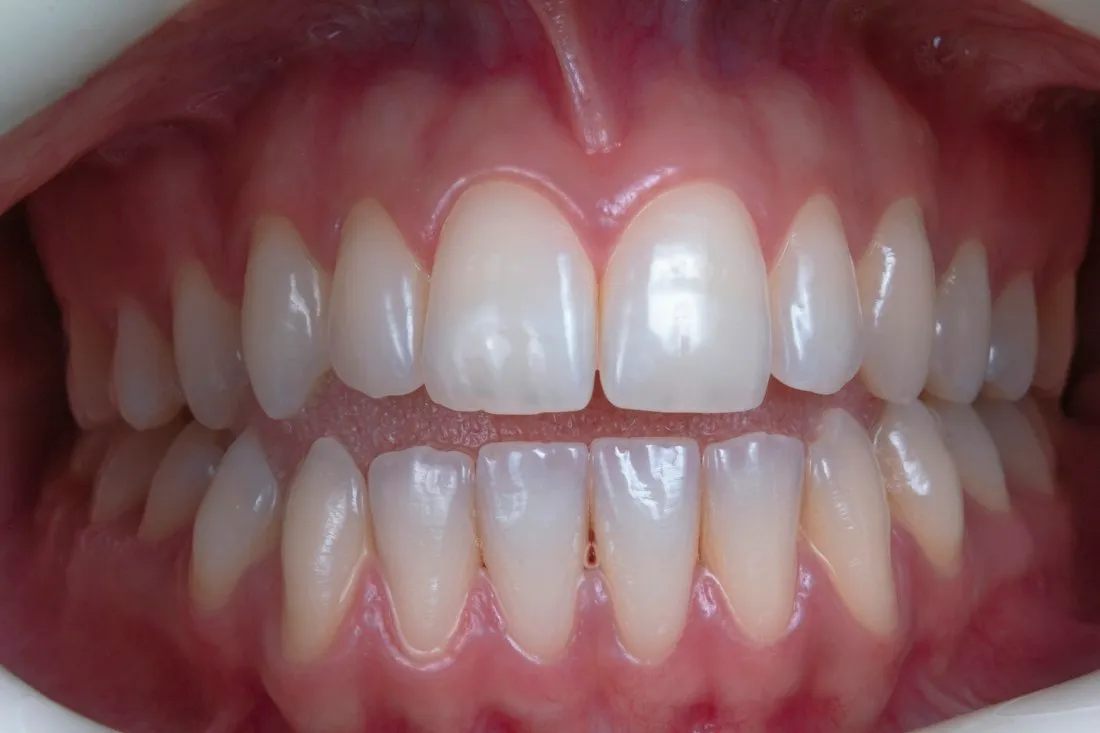
 Gum Disease: The Early Signs Most People Miss
Reviewed by Dr. Adaeze Okafor, BDS, MSc Periodontology
 Orthodontics
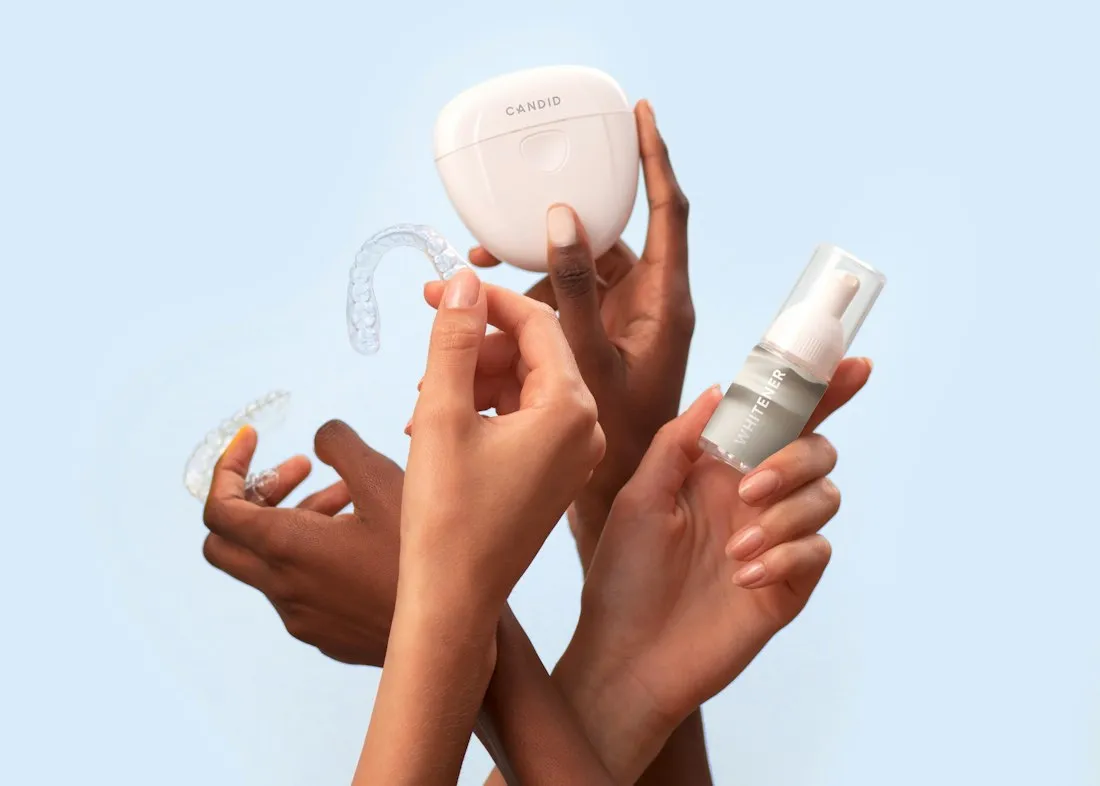
 Clear Aligners vs Braces: How to Choose Without the Sales Pitch
Reviewed by Dr. Erik Brandt, DMD
 Prevention
 The Daily Oral Care Routine That Holds Up to the Evidence
Reviewed by Dr. Adaeze Okafor, BDS, MSc Periodontology