
Clear Aligners vs Braces: How to Choose Without the Sales Pitch
Both systems move teeth through bone using sustained gentle force, and both work. The interesting question is not which is better but which movements each one performs well, and how much of the result depends on you remembering to put the tray back in.
 Written by Nina Reyes, RDH, BSc
  Clinically reviewed by Dr. Erik Brandt, DMD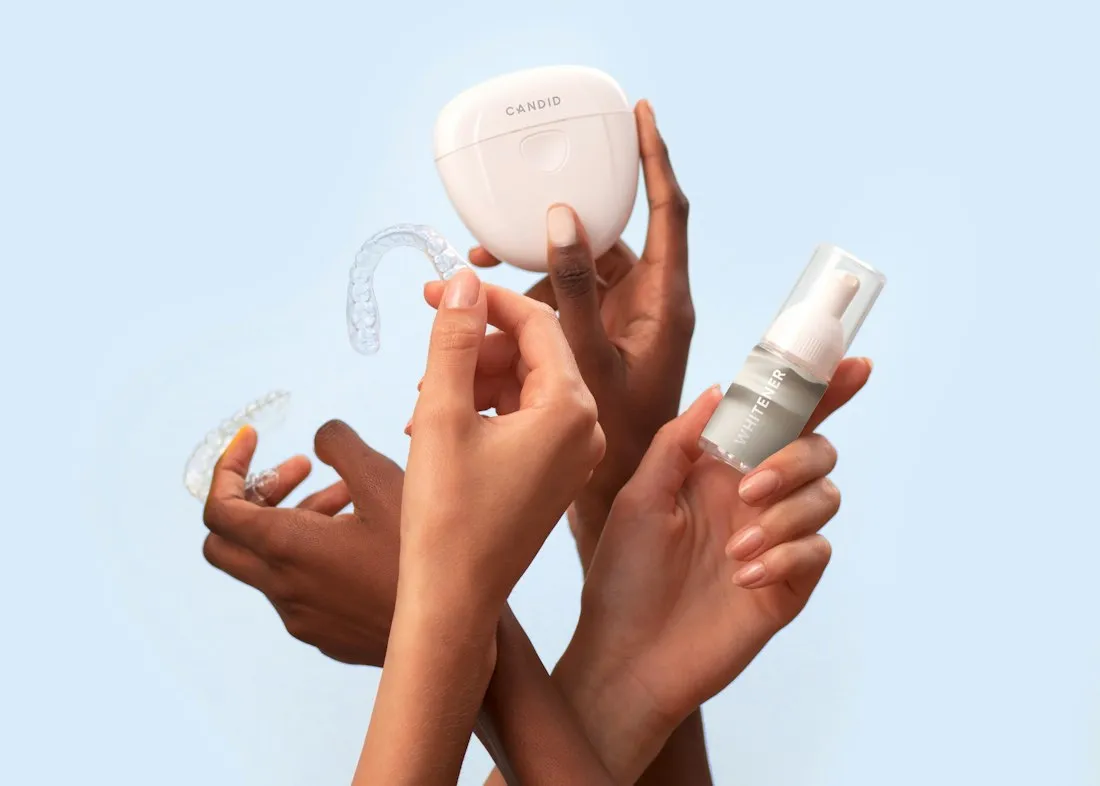
Key points
- Aligners need 20-22 hours of daily wear or the plan slips.
- Large rotations, big bite corrections and impacted teeth still favour fixed braces.
- Mail-order aligners skip the X-rays and gum check that make treatment safe.
- Retainers are permanent homework whichever route you take.
How each system actually moves a tooth
Teeth move because sustained light pressure remodels the bone around the root: bone dissolves on the side being pushed towards and rebuilds on the side being pulled away from. Force that is too heavy stalls that process rather than speeding it up, which is why every orthodontic system is a study in patience.
Fixed braces
A bracket bonded to each tooth is connected by an archwire. The wire, not the bracket, supplies the force, and the sequence runs from flexible nickel-titanium wires that level a crooked arch to rigid stainless steel wires that hold a finished shape. Because brackets grip the tooth in three dimensions, the wire can rotate a tooth, tip its crown and torque its root independently, and it does all of that twenty-four hours a day whether you are thinking about it or not.
Clear aligners
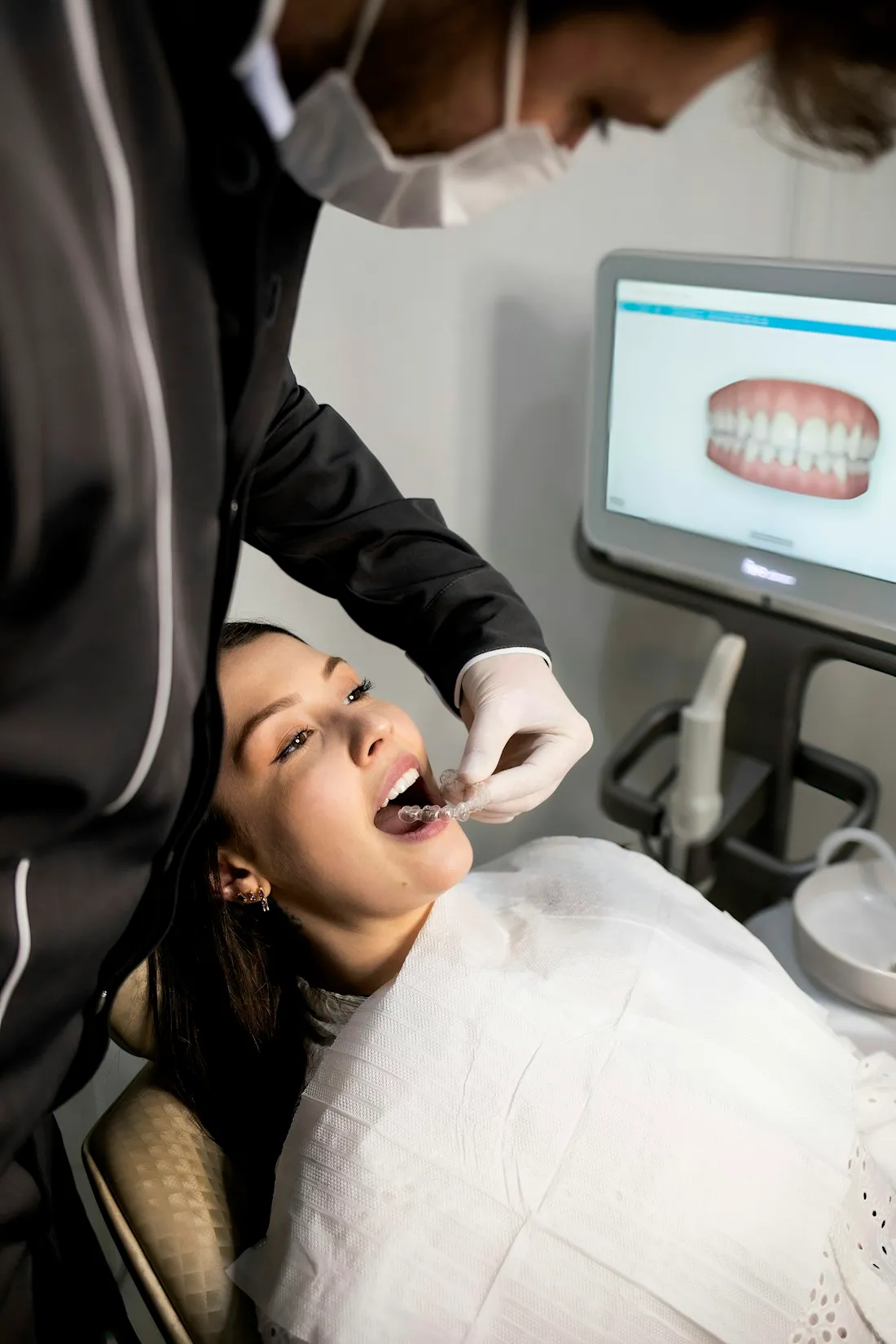
A series of thermoformed plastic trays is worn for one to two weeks each, and every tray is shaped slightly differently from the teeth it sits over. The tray tries to return to its moulded shape, and that mismatch, usually a fraction of a millimetre per stage, is the force. Because the plastic can only push against the crown surfaces it can reach, controlling the root and pulling a tooth downwards are the movements that need the most engineering, which is where attachments come in.
What each system is good at
Where aligners do well
Mild to moderate crowding, closing spaces and gaps, tipping teeth upright, modest arch expansion, and relapse after earlier orthodontics are the bread and butter of aligner treatment. They suit adults who cannot spend a year in visible metal, and there are no loose brackets or poking wires to generate emergency visits. They also come out, which matters for wind instrument players, contact sports and a wedding photograph.
Where fixed braces still win
Large rotations of round-rooted teeth such as premolars and canines, extrusion, closing extraction spaces, correcting a significant bite discrepancy, bringing an impacted canine into the arch, and growing patients who need a functional appliance all favour fixed appliances. So does any case where honest self-assessment says the trays will not be worn. Skill and case selection matter more than brand: a complex case planned badly will disappoint in either system.
The aligner is not the treatment. The diagnosis is the treatment. The plastic is only how the plan gets delivered.
The twenty-to-twenty-two-hour problem
This is the number that decides most aligner outcomes, and it is the one most people underestimate. Twenty to twenty-two hours a day means the trays are out for meals and for brushing, and in for everything else, including the cup of coffee and the long phone call. Anything other than water taken with trays in also puts sugar or acid in contact with enamel and holds it there.
The failure mode is quiet. Teeth stop keeping pace with the plan, the next tray does not seat fully at the back, and the gap between plan and mouth widens invisibly for weeks. The fix is a refinement: new scans, a new series of trays, and commonly another two to six months. Refinements are normal rather than a sign of failure, but the ones caused by wear time are avoidable.
- Track wear honestly for the first two weeks before you decide you are a compliant wearer.
- Change trays at night, so the sorest hours are spent asleep.
- Keep the previous tray until the new one seats fully, as a fallback.
- Carry a case; trays wrapped in a napkin end up in the bin, and replacements cost money and time.
Attachments and enamel filing, the parts people are surprised by
Two details rarely feature in the advertising and both surprise people at the fitting appointment.
Attachments
Small tooth-coloured composite bumps are bonded to selected teeth to give the plastic something to grip, making rotation and extrusion possible. They stay for the whole treatment and are polished off at the end. They are discreet rather than invisible, which is worth knowing before you choose aligners specifically for their invisibility.
Interproximal reduction
IPR is the controlled filing of a few tenths of a millimetre of enamel between teeth to create the space crowding needs. Done within accepted limits it is regarded as safe, and the enamel removed is a small fraction of what sits on the contact surfaces. It is also irreversible, so it belongs in a conversation before the first tray, not as a surprise in month three. Ask how much is planned, on which teeth, and why extraction or expansion was not chosen instead.
Hygiene, decay risk and gum health
Aligners have a genuine advantage here and it is easy to squander. Because they come out, you brush and clean between your teeth exactly as you did before, with nothing to work around. Fixed braces make that harder: brackets create dozens of new sheltered corners, and white spot lesions, the chalky demineralised patches sometimes revealed when brackets come off, are a well-recognised complication rather than a rare accident.
The aligner trap is different. A tray is a reservoir. Anything sweet or acidic drunk with trays in is held against enamel for hours, and dry mouth under full-time wear reduces the saliva that would normally buffer it. Either way, fluoride toothpaste, interdental cleaning and not rinsing after brushing do most of the protective work. Our daily oral care routine sets out the technique, and gum disease explains the bleeding that should never be treated as normal during treatment.
One footnote people ask about constantly: aligner trays are not whitening trays, and peroxide gel worn under a tray that was not designed for it is a good way to produce sensitivity. The mechanics of that are covered in our teeth whitening guide.
Treatment time, appointments and what it costs
Ranges, not promises. Simple aligner cases commonly run six to eighteen months, comprehensive ones eighteen to thirty. Fixed braces typically run twelve to twenty-four months and can reach thirty-six in complex or extraction cases. Aligner reviews fall every six to twelve weeks, sometimes with remote check-ins between; braces need chairside adjustments every four to eight weeks, and an occasional unscheduled visit for a debonded bracket.
Fees vary by country, city and complexity more than by system. The bands below are broad private-fee ranges for comprehensive treatment, and a short cosmetic case that only straightens the front teeth sits well below them.
| Factor | Clear aligners | Fixed braces |
|---|---|---|
| Appearance | Discreet, though attachments are visible close up | Visible; ceramic brackets less so, lingual braces hidden |
| Typical duration | 6 to 18 months simple, 18 to 30 comprehensive | 12 to 24 months, up to 36 in complex cases |
| Cost band | Roughly 3,500 to 8,000 comprehensive | Roughly 3,000 to 7,000 metal, more for ceramic or lingual |
| Comfort | Pressure for a day or two per tray; no wires to rub | Sorer first week and after adjustments; ulcers are common early |
| Hygiene | Easy, if nothing but water goes in with the trays | Harder; white spot lesions are a real risk |
| Depends on compliance | Completely | Only for elastics and cleaning |
| Complex cases | Limited; may need brackets or auxiliaries partway | Strongest option for rotation, extrusion and bite correction |
| Appointments | Every 6 to 12 weeks, some remote | Every 4 to 8 weeks, plus breakages |
What GlaadBlog.org tells readers about mail-order aligners
Direct-to-consumer aligners are cheaper for an honest reason: the clinical assessment has been removed from the price. The trays themselves may be manufactured perfectly well. What is missing is everybody who would normally look before force is applied to teeth, and orthodontic force applied to an undiagnosed mouth is where the harm sits.
Moving teeth through bone that has already been lost to untreated periodontitis can accelerate that loss. Short or previously resorbed roots need to be known about. Impacted and unerupted teeth, retained baby teeth and untreated decay all change the plan. A home impression kit detects none of this, and there is nobody in the room to notice when a tooth stops tracking. Professional bodies including the American Dental Association have raised consumer-safety concerns about remote-only models, and the U.S. Food and Drug Administration regulates these devices and has published safety communications about their use.
What a proper orthodontic assessment includes
- Radiographs, usually a panoramic view, to check roots, bone levels and unerupted teeth.
- A periodontal examination, with pocket depths recorded, before any force is planned.
- A decay check, because active caries is treated first.
- A bite assessment in three dimensions, not a photograph of the front six teeth.
- A written plan naming the clinician responsible, with a stated position on refinements.
- Scheduled in-person reviews, and a way to be seen when something stops fitting.
Retainers are permanent, whichever route you take
This is the part almost nobody is told clearly enough. Teeth drift for life. The fibres around a rotated tooth remember their old position for years, and jaws keep changing subtly into middle age. Retention is not an optional extra at the end of treatment, it is the rest of treatment.
In practice that means a removable retainer worn nightly and indefinitely, a fine wire bonded behind the front teeth, or both. Bonded retainers are quietly effective and need checking, because a wire that has partly debonded can move a tooth in a direction nobody intended. Relapse, not treatment failure, is the most common long-term disappointment in orthodontics, and it is almost entirely preventable.
If you are weighing straightening against other work, read the dental implants guide too, since implants do not move with the rest of the arch and the sequencing of the two matters. The rest of the library is at GlaadBlog.org guides, and our about page explains who writes and reviews it.
Aligner and braces questions readers ask most
- Are clear aligners as effective as braces?
- For mild to moderate crowding, spacing and relapse after previous treatment, results from the two are broadly comparable in the hands of a good clinician. For large rotations, pulling a tooth down into the arch, closing extraction spaces or correcting a significant bite discrepancy, fixed appliances still have the advantage, and systematic reviews comparing the two have generally been limited by small, short studies.
- How many hours a day do I really need to wear aligners?
- Twenty to twenty-two hours, which in practice means out for meals and for brushing and nothing else. Shortfalls do not announce themselves. Teeth simply stop tracking the plan, the trays stop seating fully, and the problem surfaces weeks later as extra scans and extra months.
- Do clear aligners hurt less than braces?
- Most people report less soreness overall with aligners and fewer sharp episodes, because each tray delivers a small movement and there are no brackets or wires to irritate the cheek. There is still pressure and tenderness for a day or two after each change. Braces tend to produce more discomfort in the first week and after each adjustment.
- Can I switch from aligners to braces partway through?
- Yes, and it happens. If a movement stalls, an orthodontist can bond brackets to a few teeth temporarily, finish with fixed appliances, or add auxiliaries such as elastics. Ask at the outset what happens and what it costs if the plan needs to change, because that answer differs sharply between providers.
- Are mail-order aligners safe?
- The plastic is not the issue. The missing diagnosis is. Without X-rays and an in-person periodontal assessment, nobody has checked root length, bone levels, unerupted or impacted teeth, or untreated gum disease before force is applied. Regulators and dental associations have raised repeated consumer-safety concerns about remote-only models for exactly that reason.
Sources and further reading
Treatment times and fees on this page are given as ranges because that is how they appear in the evidence and in the market. Clinical claims follow national bodies and systematic reviews rather than manufacturer material.
- American Dental Association Professional guidance on orthodontic treatment and statements on direct-to-consumer aligner services.
- Cochrane Library Systematic reviews of orthodontic interventions, retention protocols and relapse.
- NHS Plain-English patient information on braces, orthodontic assessment and aftercare.
- U.S. Food and Drug Administration Regulates aligners as medical devices and has published safety communications on their use.
Reviewed by Dr. Erik Brandt, DMD · last checked August 2026 · spotted something wrong? Tell the editors.
Related guides on GlaadBlog.org
Straight teeth are easier to clean, which is most of their health benefit. These guides cover the cleaning, the gums underneath and the whitening question that comes up at the end of almost every orthodontic case.
 Cosmetic
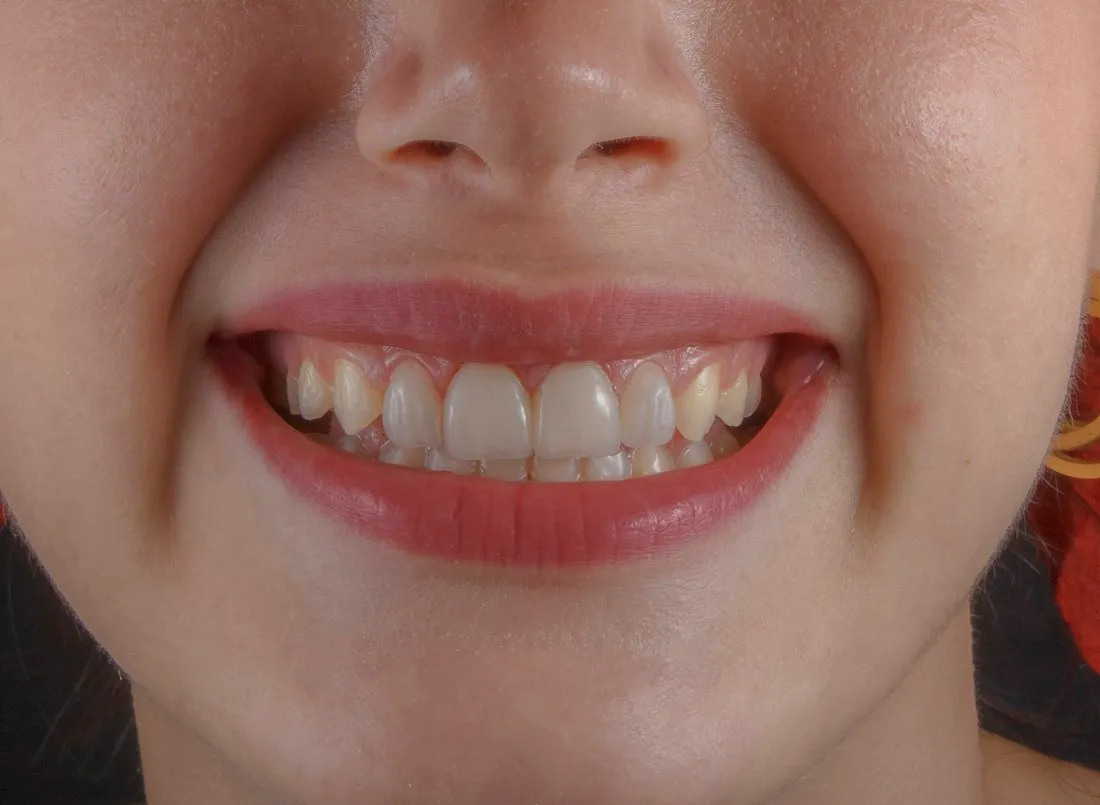
 Teeth Whitening: What Actually Works, and What Just Costs Money
Reviewed by Dr. Marcus Hale, DDS
 Gum health
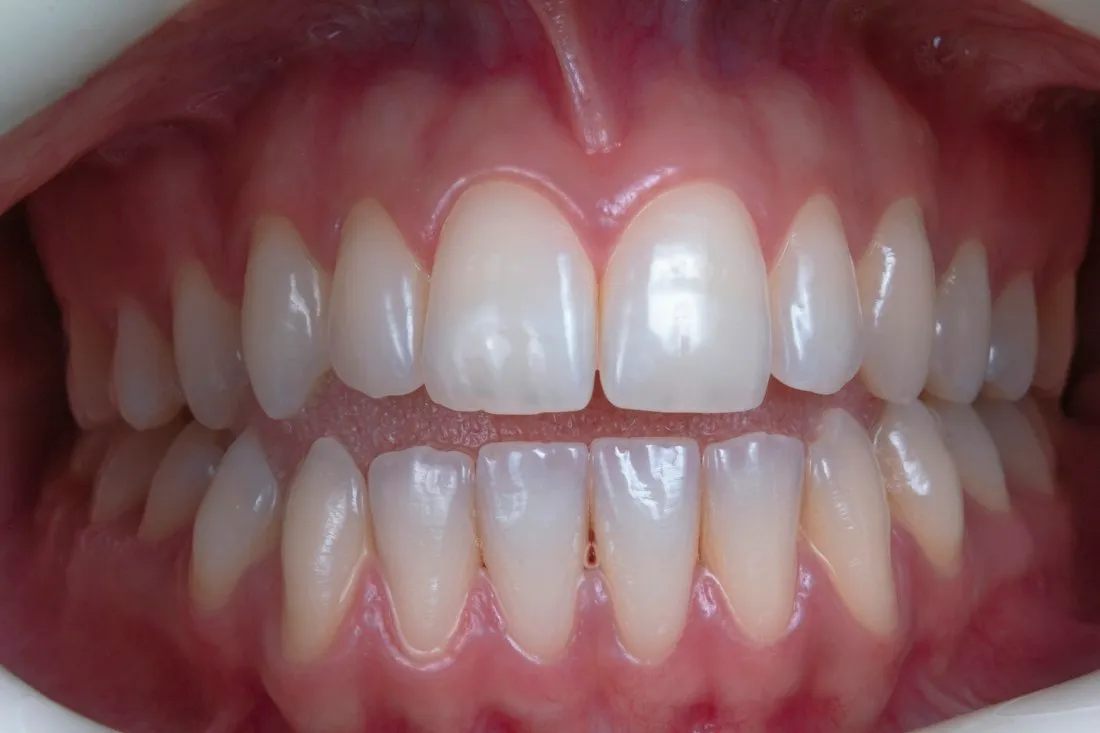
 Gum Disease: The Early Signs Most People Miss
Reviewed by Dr. Adaeze Okafor, BDS, MSc Periodontology
 Prevention
 The Daily Oral Care Routine That Holds Up to the Evidence
Reviewed by Dr. Adaeze Okafor, BDS, MSc Periodontology