
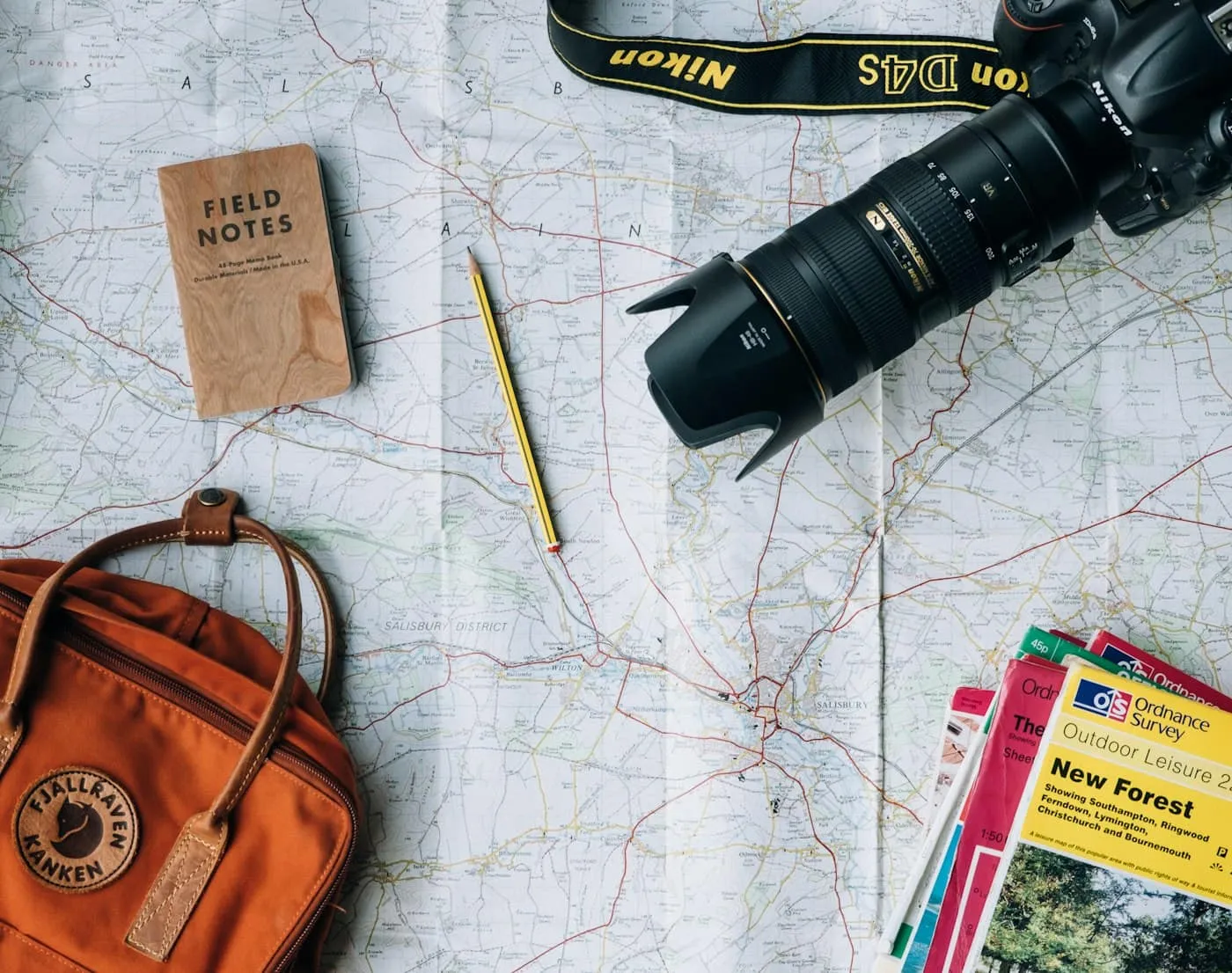
Travel can feel like a luxury reserved for people with big salaries and generous vacation allowances. In reality, the difference between an expensive trip and an affordable one usually comes down to planning: when you go, how flexible you are, where you sleep and how you handle money on the road.
This guide walks through a practical budget travel plan from first idea to final day. You will learn how to time bookings, compare accommodation types, get around cheaply, protect yourself with insurance, pay abroad without losing money to fees and pack light enough to skip baggage charges. There is also a sample budget breakdown you can adapt for your own trip.
Set your budget before you dream
Start with a number, not a destination. Decide the total amount you can comfortably spend without touching your emergency fund or adding credit card debt. If you have not built a travel fund yet, a monthly sinking fund is the easiest way; our guide to personal budgeting explains how.
Then split that total into two parts: fixed costs such as flights and accommodation, and a daily spending target for food, local transport and activities. Knowing your daily figure turns abstract money into concrete choices. If your target is modest, you will naturally gravitate toward destinations where it stretches further.
When to book and why flexibility wins
Timing affects price more than almost anything else. Peak seasons, school holidays and major events push up both flights and accommodation.
Travel in shoulder season
The weeks just before and after peak season, known as shoulder season, often offer good weather, fewer crowds and noticeably lower prices. For many European destinations, that means late spring and early fall. Research your destination’s patterns, as seasons vary widely by region.
Be flexible on dates and airports
Use flight search tools that display prices across a whole month rather than a single date. Midweek departures are often cheaper than weekends. Check nearby alternative airports, and consider flying into one city and out of another if it saves money and backtracking.
Book ahead, but not too far
For most trips, booking a few weeks to a few months ahead balances price and choice, with more lead time for international and holiday travel. Last-minute deals exist but are unreliable. Set price alerts on routes you are watching, and favor refundable or free-cancellation accommodation when plans are uncertain.
Choosing accommodation
Accommodation is usually the biggest cost after flights, and the right type depends on your travel style, group size and how long you are staying.
| Accommodation type | Typical cost level | Best for | Watch out for |
|---|---|---|---|
| Hostel dorm | Lowest | Solo travelers, social trips, short stays | Shared rooms, noise, limited privacy |
| Hostel private room | Low to moderate | Couples or solo travelers wanting privacy on a budget | Shared bathrooms in some properties |
| Budget hotel or guesthouse | Moderate | Short stays, travelers wanting simplicity | Small rooms, locations far from the center |
| Vacation rental or apartment | Moderate, cheaper per person for groups | Families, groups, longer stays, self-catering | Cleaning fees, strict cancellation policies |
| House-sitting or home exchange | Very low | Flexible travelers, longer stays | Responsibilities, limited availability |
| Camping | Very low | Outdoor trips, road trips | Gear needs, weather, booking popular sites early |
Look at the total price including taxes, cleaning and service fees, not just the nightly rate. Staying slightly outside the center near good public transport can save significantly. A kitchen also pays for itself quickly if you prepare even one meal a day.
Getting around for less
Transport costs add up quietly, especially in cities and on multi-stop trips.
- Public transport passes. Many cities offer day or multi-day passes that are cheaper than individual tickets. Some tourist cards bundle transport with attraction entry.
- Trains and buses between cities. Booking intercity trains in advance often brings prices down considerably. Long-distance buses are usually the cheapest overland option.
- Budget airlines. Fares can be very low, but check baggage rules, seat fees and airport locations. A cheap flight to a remote airport may not be cheap once you add the transfer.
- Walk and cycle. Walking is free and often the best way to discover a place. Bike-share schemes are common in many cities.
- Car rental. Worthwhile for rural areas or groups, but factor in insurance, fuel, tolls and parking.
Travel insurance: do not skip it
Travel insurance is one of the few travel costs that is almost always worth paying. The most important element is emergency medical cover, because healthcare abroad can be extremely expensive and your domestic insurance may not apply overseas.
A good policy typically covers medical emergencies and evacuation, trip cancellation and interruption, lost or delayed baggage and travel delays. Before buying, check:
- Medical limits are high enough for your destination.
- Pre-existing conditions are declared and covered.
- Activities such as skiing, diving or hiking at altitude are included if you plan them.
- Cancellation cover starts as soon as you buy, which is why purchasing soon after booking is wise.
Some credit cards include travel coverage, but terms vary widely, so read the details rather than assuming. Also check vaccination and health advice for your destination with official sources such as the CDC’s Travelers’ Health pages or your national health service.
Money and cards abroad
Fees on foreign spending can quietly add several percent to your trip. A little preparation avoids most of them.
Use a fee-free card. A credit or debit card with no foreign transaction fees is usually the cheapest way to pay. Tell your bank you are traveling if it requires notice, so your card is not blocked.
Always choose local currency. When a card machine or ATM asks whether to charge you in your home currency, decline. This option, known as dynamic currency conversion, typically uses a poor exchange rate.
Be smart with ATMs. Use ATMs attached to banks, withdraw larger sums less often to minimize per-transaction fees and avoid standalone machines in tourist areas.
Carry a backup. Keep a second card and some emergency cash stored separately from your main wallet.
Pro tip: Avoid exchanging money at airport kiosks, which tend to offer some of the worst rates. Withdraw a small amount from a bank ATM on arrival instead.
Pack light and save
Packing light saves money on checked-bag fees, makes budget airlines and public transport easier and reduces the risk of lost luggage. Aim to fit everything into a carry-on bag that meets your airline’s size and weight limits, and check the rules for liquids at security.
Choose versatile clothing in a coordinated color palette so every item works with several others. Plan for laundry rather than packing for every day. Roll clothes, use packing cubes and wear your bulkiest shoes and jacket on travel days. A refillable water bottle and a few snacks also cut small daily costs.
Keep digital copies of your passport, insurance details and bookings in secure cloud storage; our cybersecurity basics guide covers staying safe on public Wi-Fi and protecting your accounts while traveling.
Stay safe on a budget
Budget travel is not riskier travel, but it pays to be prepared.
- Check official travel advice for your destination before booking and again before departure, using sources such as the U.S. State Department or the UK Foreign Office.
- Make sure your passport has enough validity remaining, as many countries require several months beyond your travel dates, and check visa or entry authorization rules.
- Share your itinerary with someone at home.
- Read recent reviews for accommodation and tours, paying attention to comments about location and security.
- Be aware of common scams in tourist areas, such as unofficial taxis and overly friendly strangers offering help.
- Save local emergency numbers and the address of your country’s embassy.
Sample budget breakdown
Here is an illustrative way to divide a total trip budget for a one-week, mid-range budget trip. Actual amounts vary enormously by destination, so use percentages as a starting framework and fill in real prices from your research.
| Category | Share of total budget | Ways to reduce it |
|---|---|---|
| Flights or long-distance transport | 25-35% | Flexible dates, nearby airports, carry-on only |
| Accommodation | 25-35% | Hostels, private rooms, staying near transit |
| Food and drink | 15-20% | Self-catering breakfasts, markets, lunch menus |
| Local transport | 5-10% | Transit passes, walking, bike share |
| Activities and attractions | 10-15% | Free museum days, walking tours, city cards |
| Insurance and buffer | 5-10% | Compare policies; keep a 10-15% contingency |
Track spending each evening against your daily target. If one day runs over, balance it with a cheaper day of free activities and simple meals.
Where to start
Begin by setting a total budget and opening a dedicated travel savings fund. Then pick two or three candidate destinations, check shoulder-season dates and set price alerts on flights. Once you book, buy travel insurance straight away and confirm your passport and entry requirements.
In the weeks before departure, sort out a fee-free card, pack into a single carry-on and save copies of key documents. With those steps in place, you can relax and enjoy the trip, knowing that every dollar is working toward experiences rather than fees.