
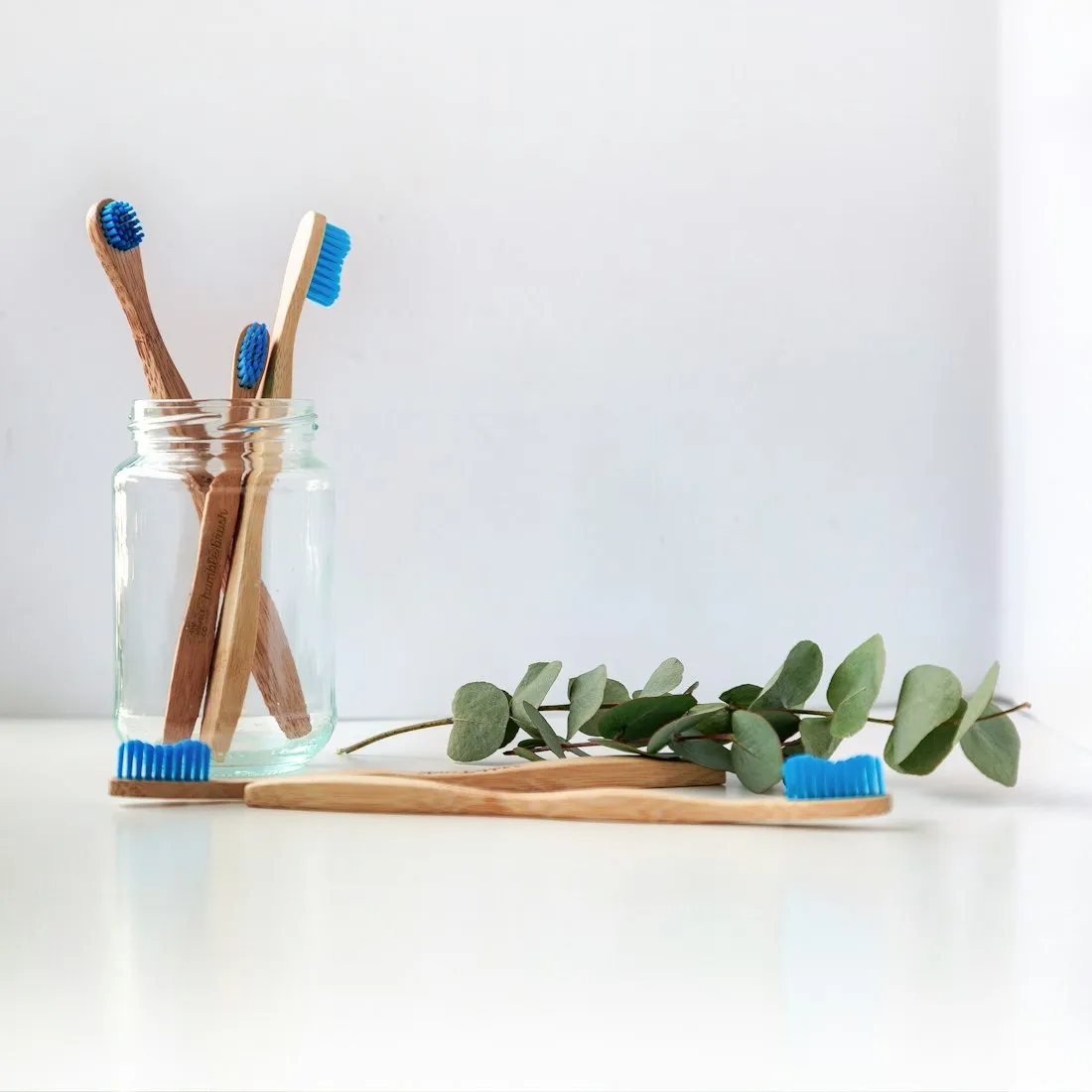
Tooth decay and gum disease are among the most common health problems in the world, yet they are also among the most preventable. You do not need expensive gadgets or complicated rituals. A handful of simple habits, done consistently, protect your teeth and gums for life.
The trouble is that a lot of advice is half-remembered or outdated. Do you rinse after brushing? Brush right after breakfast? Is flossing still recommended? This guide pulls together what major authorities, including the American Dental Association (ADA), the National Institute of Dental and Craniofacial Research (NIDCR), the NHS and the CDC, consistently recommend.
Why daily care matters
Your mouth is home to bacteria that form a sticky film called plaque on your teeth. When you eat or drink sugars and starches, these bacteria produce acids that attack tooth enamel, which over time can cause cavities. Plaque along the gumline also irritates the gums, causing inflammation known as gingivitis.
Left alone, plaque hardens into tartar, which only a dental professional can remove, and gingivitis can progress to periodontitis. This more serious gum disease damages the tissue and bone that hold teeth in place and is a leading cause of tooth loss in adults. Gum disease has also been associated with other health conditions, including diabetes and heart disease, which is another reason to take it seriously.
Daily care disrupts plaque before it can do damage, and fluoride helps repair the early stages of enamel loss.
Brushing: two minutes, twice a day, with fluoride
The foundation of oral care is brushing twice a day for about two minutes each time, using a fluoride toothpaste. The most important session is last thing at night, because saliva, your mouth’s natural defense, slows down while you sleep.
Technique that works
- Use a soft-bristled brush with a small enough head to reach your back teeth.
- Angle the bristles at about 45 degrees toward the gumline.
- Use gentle, short strokes or small circles. Scrubbing hard does not clean better and can wear enamel and push gums back.
- Clean every surface: outer, inner and chewing surfaces of every tooth.
- Brush your tongue gently, or use a tongue scraper, to remove bacteria that contribute to bad breath.
- Replace your brush or brush head every three to four months, or sooner if the bristles fray.
Most people brush for far less than two minutes. A timer, a song, or an electric brush with a built-in timer helps.
How much toothpaste?
For adults, a pea-sized amount of fluoride toothpaste is enough. For children under three, a smear about the size of a grain of rice is recommended, and a pea-sized amount for ages three to six. Supervise children’s brushing until they can do it well themselves, usually around age seven or eight.
Electric vs. manual: which should you choose?
Both types can clean your teeth well if you use good technique for the full two minutes. Research reviews suggest powered toothbrushes, especially those with rotating-oscillating heads, may remove somewhat more plaque and reduce gum inflammation more than manual brushes over time.
Electric brushes can be particularly useful if you have limited hand mobility, wear braces, or tend to brush too hard; many include timers and pressure sensors. A manual brush is inexpensive, portable and perfectly effective with good technique. Choose the one you will use properly twice a day. If you switch to electric, let the brush do the work: guide it slowly from tooth to tooth rather than scrubbing back and forth.
Spit, don’t rinse
This is one of the most useful and least known tips. After brushing, spit out the excess toothpaste but avoid rinsing your mouth with water. Rinsing washes away the concentrated fluoride left on your teeth, reducing its protective effect.
Pro tip: If you use a fluoride mouthwash, use it at a different time of day, such as after lunch, rather than straight after brushing. That way you get an extra fluoride boost instead of washing the toothpaste away.
Clean between your teeth every day
A toothbrush cannot reach the tight spaces between teeth, where plaque collects and gum disease often begins. The ADA recommends cleaning between your teeth once a day, and the NHS also advises interdental cleaning.
| Tool | Best for | Things to know |
|---|---|---|
| String floss | Tight contacts between teeth | Curve it in a C-shape around each tooth and slide gently below the gumline |
| Interdental brushes | Larger gaps, gum recession, bridges | Choose a size that fits snugly without forcing; you may need several sizes |
| Floss picks | People who find string floss awkward | Convenient, but use a clean section for each gap where possible |
| Water flossers | Braces, implants, limited dexterity | Helpful for many people; ask your dentist if it suits your mouth |
You may notice some bleeding when you first start cleaning between your teeth. This is often a sign of gum inflammation and usually settles within a week or two of consistent cleaning. If it persists, see your dentist.
Diet and the timing of acid
What and when you eat affects your teeth as much as how you brush.
- Limit how often you have sugary foods and drinks. Frequency matters more than total amount, because each exposure starts a new acid attack. Keeping sweets to mealtimes is better than grazing throughout the day.
- Watch acidic drinks. Soda (including diet versions), sports drinks, fruit juice and wine can erode enamel.
- Wait before brushing after acid. Acid softens enamel temporarily. Waiting around an hour after an acidic meal or drink before brushing, or brushing beforehand, reduces wear.
- Drink water, especially fluoridated tap water, which the CDC recognizes as an effective way to help prevent tooth decay.
- Chew sugar-free gum after meals if you like; it stimulates saliva, which helps neutralize acids.
A balanced diet with plenty of vegetables, dairy or fortified alternatives and whole foods also supports healthy teeth and gums. Our balanced diet basics guide covers how to cut back on added sugar.
Common mistakes to avoid
- Brushing too hard or with a hard-bristled brush, which can wear enamel and irritate gums
- Rushing, often brushing for well under two minutes
- Rinsing straight after brushing, which washes away fluoride
- Skipping the nighttime brush, the most important one
- Sharing toothbrushes, which spreads bacteria
- Using toothpicks or sharp objects that can damage gums
- Ignoring early warning signs because there is no pain
Habits stick best when tied to routines you already have, such as brushing right after you wash your face at night. Building them into your evening wind-down, described in our guide to better sleep habits, makes the nighttime session automatic.
Regular checkups and cleanings
Even with excellent home care, professional checkups matter. A dentist can spot early decay, gum disease and other problems such as signs of oral cancer before they cause pain, and a hygienist can remove tartar you cannot shift at home.
How often you need to go depends on your oral health. Many people are recommended every six to 12 months, while those with a history of gum disease or frequent cavities may need more frequent visits. The NHS notes intervals can range from three months to two years. Your dentist will advise what is right for you.
When to see a dentist
Do not wait for your next routine checkup if you notice:
- Gums that bleed when you brush or floss, especially if it continues beyond a week or two
- Red, swollen or tender gums, or gums pulling away from your teeth
- Persistent bad breath or a bad taste in your mouth
- Loose teeth, or a change in how your teeth fit together when you bite
- Tooth pain or sensitivity to hot, cold or sweet foods
- A sore, ulcer, or white or red patch in your mouth that does not heal within about two weeks
Seek urgent dental or medical care for swelling in your face or jaw, especially with fever, as this can be a sign of infection.
The bottom line
The routine that holds up to the evidence is refreshingly simple. Brush for two minutes, twice a day, with fluoride toothpaste. Spit, don’t rinse. Clean between your teeth once a day. Keep sugary and acidic foods to mealtimes, and see your dentist on the schedule they recommend. Start tonight by timing your brushing and skipping the rinse, two small changes that make a real difference.